
"WIB Robusta"
10070 article(s) found
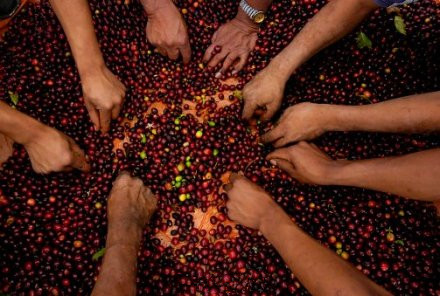
The process of turning fresh coffee fruit into raw coffee beans
The variety of coffee treated with raw beans certainly determines the natural flavor, but the treatment of raw beans determines the acquired quality. Selected coffee attaches great importance to flavor and quality, so it pays special attention to the technology and details of processing. Harvest: the harvest method is one of the criteria for judging selected coffee. if calculated from the time of germination, Arabica coffee will take about 5 years to blossom and bear fruit. Brazil

The technique of treating fresh Coffee fruits into Coffee Raw beans
The variety of coffee treated with raw beans certainly determines the natural flavor, but the treatment of raw beans determines the acquired quality. Selected coffee attaches great importance to flavor and quality, so it pays special attention to the technology and details of processing. Harvest: the harvest method is one of the criteria for judging selected coffee. if calculated from the time of germination, Arabica coffee will take about 5 years to blossom and bear fruit. Brazil

The process of turning fresh coffee fruits into raw coffee beans.
The variety of coffee treated with raw beans certainly determines the natural flavor, but the treatment of raw beans determines the acquired quality. Selected coffee attaches great importance to flavor and quality, so it pays special attention to the technology and details of processing. Harvest: the harvest method is one of the criteria for judging selected coffee. if calculated from the time of germination, Arabica coffee will take about 5 years to blossom and bear fruit. Brazil

The skill of turning fresh coffee fruits into fresh coffee beans
The variety of coffee treated with raw beans certainly determines the natural flavor, but the treatment of raw beans determines the acquired quality. Selected coffee attaches great importance to flavor and quality, so it pays special attention to the technology and details of processing. Harvest: the harvest method is one of the criteria for judging selected coffee. if calculated from the time of germination, Arabica coffee will take about 5 years to blossom and bear fruit. Brazil

Coffee technology how to treat fresh coffee fruit into coffee raw beans
The variety of coffee treated with raw beans certainly determines the natural flavor, but the treatment of raw beans determines the acquired quality. Selected coffee attaches great importance to flavor and quality, so it pays special attention to the technology and details of processing. Harvest: the harvest method is one of the criteria for judging selected coffee. if calculated from the time of germination, Arabica coffee will take about 5 years to blossom and bear fruit. Brazil

Coffee basic knowledge treats fresh fruits of coffee into fresh beans of coffee
The variety of coffee treated with raw beans certainly determines the natural flavor, but the treatment of raw beans determines the acquired quality. Selected coffee attaches great importance to flavor and quality, so it pays special attention to the technology and details of processing. Harvest: the harvest method is one of the criteria for judging selected coffee. if calculated from the time of germination, Arabica coffee will take about 5 years to blossom and bear fruit. Brazil

Coffee common sense how to treat fresh coffee fruit into coffee raw beans?
The variety of coffee treated with raw beans certainly determines the natural flavor, but the treatment of raw beans determines the acquired quality. Selected coffee attaches great importance to flavor and quality, so it pays special attention to the technology and details of processing. Harvest: the harvest method is one of the criteria for judging selected coffee. if calculated from the time of germination, Arabica coffee will take about 5 years to blossom and bear fruit. Brazil

Flavor and taste characteristics of robusta coffee varieties growth and environment of robusta coffee beans
Following caf é (Wechat official account vdailycom) found that Arabica Coffee beans grow at colder high elevations in the tropics, while high temperatures and low elevations, which are not suitable for Arabica varieties, are home to Robusta. Robusta grows in lowlands 200-600 meters above sea level. He likes a warm climate and requires a temperature of
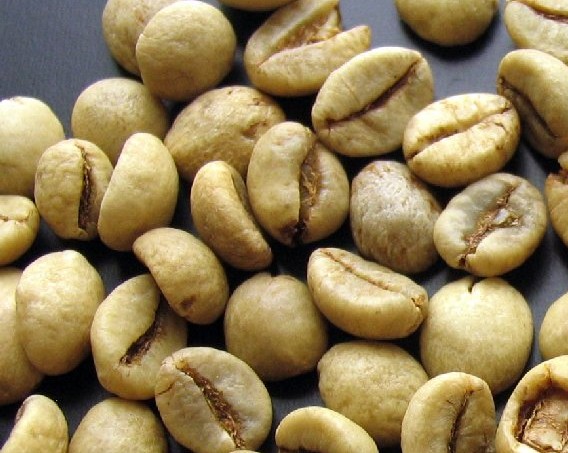
Robusta's secret.
[guide] "Robusta" coffee, commonly known as "thick beans", can be grown at low elevations (200 to 800 meters above sea level), has strong resistance to diseases and insect pests, is not vulnerable to agricultural pests, has a high annual output per unit area, and is harvested in large quantities by machine. in general, the cost of production is much lower than that of Arabica. "Robusta" coffee is commonly known as "stout beans", at low elevations (200 above sea level)

On the characteristics and uses of Robusta Coffee beans
"Robusta" coffee, commonly known as "sturdy beans", can be grown at low elevations (200 to 800 meters above sea level), has strong resistance to diseases and insect pests, is not vulnerable to agricultural disasters, has a high annual output per unit area, and is harvested in large quantities by machine. in general, the cost of production is much lower than that of Arabica coffee. "Robusta" coffee usually has an ordinary, rigid and pungent flavor, and because

Introduction of flavor characteristics of Robusta coffee beans introduction of varieties of Robusta coffee beans
Professional coffee knowledge exchange more coffee bean information please follow the coffee workshop (Wechat official account cafe_style) the three major native species are Arabica, Robusta and Liberica (Liberika). Arabica ranks first in production, accounting for about 7075% of the world's coffee. There are bourbon and Emperor.

Common sense of Coffee the characteristics and uses of Robusta coffee beans
"Robusta" coffee, commonly known as "sturdy beans", can be grown at low elevations (200 to 800 meters above sea level), has strong resistance to diseases and insect pests, is not vulnerable to agricultural disasters, has a high annual output per unit area, and is harvested in large quantities by machine. in general, the cost of production is much lower than that of Arabica coffee. "Robusta" coffee usually has an ordinary, rigid and pungent flavor, and because
Is Robusta's flavor worse than Arabica? can Robusta make hand coffee?
Is Arabica the only variety equated with taste and quality? Is Robusta always that bad? At present, about 40% of the world's Robusta species, which grows faster than Arabica and is more resistant to extreme weather, but farmers do not pay equal attention to it when producing and dealing with it. Because Robusta has a bad reputation for flavor, so

The difference between Arabica beans and Robusta beans 11 differences between Arabica and Robusta
What's the difference between the two heavyweights in the coffee world? Let's make a comparison between Arabica coffee and Robusta coffee. Arabica coffee, which originated in the highlands of southwestern Ethiopia, is the most popular coffee species in the world, accounting for 60% or more of the world's coffee production. Second only to Arabica coffee is Robusta coffee, which is made of coffee bean plants.
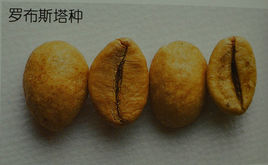
About the characteristics and uses of robusta beans-not all robusta beans are shoddy beans
[introduction] "Robusta" coffee is commonly known as "sturdy beans". It can be planted at low elevations (200 to 800 meters above sea level). It has strong resistance to diseases and insect pests and is not vulnerable to agricultural diseases. the annual output of coffee trees per unit area is higher, and it is harvested in large quantities by machine. generally speaking, the production cost is much lower than that of Ala "Robusta" coffee, commonly known as "sturdy beans", low altitude areas (elevation 200 to 800)
About Robusta coffee beans
"Robusta" coffee, commonly known as "sturdy beans", can be grown at low elevations (200 to 800 meters above sea level), has strong resistance to diseases and insect pests, is not vulnerable to agricultural disasters, has a high annual output per unit area, and is harvested in large quantities by machine. in general, the cost of production is much lower than that of Arabica coffee.

What is robusta coffee beans _ how much is robusta coffee powder _ robusta beans taste
Professional Coffee knowledge Exchange for more information on coffee beans, please follow the coffee workshop (Wechat official account cafe_style). | what are Robusta coffee beans? The three native species are Arabica, Robusta and Liberika (Liberika). Arabica ranks first in production, accounting for about 6070% of the world's coffee. There are bourbon, Tibica and other sub-varieties. Rob Stayo
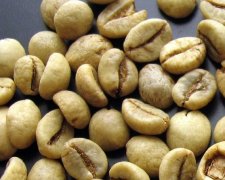
Robusta's secret.
[guide] "Robusta" coffee, commonly known as "thick beans", can be grown at low elevations (200 to 800 meters above sea level), has strong resistance to diseases and insect pests, is not vulnerable to agricultural pests, has a high annual output per unit area, and is harvested in large quantities by machine. in general, the cost of production is much lower than that of Arabica. "Robusta" coffee is commonly known as "stout beans", at low elevations (200 above sea level)
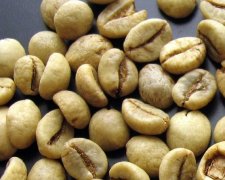
Robusta's secret.
[guide] "Robusta" coffee, commonly known as "thick beans", can be grown at low elevations (200 to 800 meters above sea level), has strong resistance to diseases and insect pests, is not vulnerable to agricultural pests, has a high annual output per unit area, and is harvested in large quantities by machine. in general, the cost of production is much lower than that of Arabica. "Robusta" coffee is commonly known as "stout beans", at low elevations (200 above sea level)
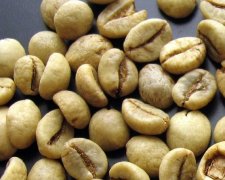
Robusta's secret.
[guide] "Robusta" coffee, commonly known as "thick beans", can be grown at low elevations (200 to 800 meters above sea level), has strong resistance to diseases and insect pests, is not vulnerable to agricultural pests, has a high annual output per unit area, and is harvested in large quantities by machine. in general, the cost of production is much lower than that of Arabica. "Robusta" coffee is commonly known as "stout beans", at low elevations (200 above sea level)